How Hard Water Affects Tankless Water Heaters
I got called out to a house last month. Water going lukewarm mid-shower, then hot again. The owner swore the unit was defective. It wasn’t. Scale, plain and simple. That’s the call I get most in Newark, and it’s how hard water affects a tankless heater when nobody’s flushed it in a while.
The Short Version
Hard water carries calcium and magnesium. Heat pulls those minerals out of the water and they stick to whatever’s hot. In a tank heater, that’s the bottom of a big drum, and it can sit there for years before anyone notices. In a tankless system, it’s the inside of a heat exchanger with passages about as wide as a pencil.
Coat those passages and two things happen. Heat transfer drops, so the water doesn’t get as hot. Flow drops too, so pressure feels weaker. Keep ignoring it and the unit starts throwing error codes or shutting itself down mid-shower. Which is exactly what happened at that house.
Who Scales Up Fastest
Usage decides the timeline, not the calendar. Large families run more gallons through the unit, so they hit scale trouble sooner. I’ve had a house of five teenagers need a flush before their second birthday with the unit. I’ve got a retired couple, same brand and model, still going strong after four years.
That’s really the whole story of how hard water affects a tankless: minerals plus gallons plus time. Cut any one of those down and you buy yourself years.
How Hard Is Newark’s Water, Really
Moderately hard, from what I’ve seen tested around here. Not brutal. Not nothing, either.
Here’s the part people miss. Newark doesn’t have one water supply. The city treats White Clay Creek water at its Curtis plant, runs a well field too, and plenty of houses with a Newark address are on a different utility altogether. Your hardness number depends on which pipe you’re actually hooked to.
So test it. Takes two minutes, and it beats guessing. Some houses come back lower than people expect, and a yearly flush is all they ever need.
What a Flush Actually Looks Like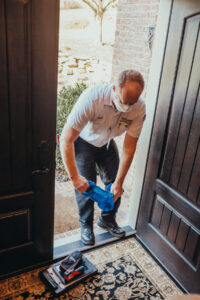
Close the isolation valves. Hook up a small pump and a couple of hoses to the service ports. Run descaler through the heat exchanger for about an hour. Clean the inlet filter screen while you wait, because nobody ever remembers that screen exists.
No isolation valves on your unit? Somebody cut a corner during the tankless water heater installation, and that’s worth fixing before it costs you a service call.
Manufacturers generally say once a year. I push that to six or nine months for moderately hard water and a full house. Plenty of homeowners handle their own flush without trouble. The ones who call me back usually skipped a valve, or used a descaler the manual doesn’t approve.
Softener, or Skip It?
A softener swaps calcium and magnesium for sodium before the water ever reaches your heater. Fewer flushes, easier on the dishwasher too.
It costs something, though. Salt, ongoing, plus the floor space. And if you’re replacing the heater rather than just adding a softener, Newark requires a city permit for that work. The city runs on the 2018 plumbing and fuel gas codes, so an older home doing a gas tankless swap can need venting or gas line changes first.
Flushing twice a year or more? Get the softener. Once a year and no complaints? Keep your money.
Don’t Let It Get to Lockout
That house I mentioned caught it early. Wait longer and a scaled-up heat exchanger can fail outright, and that bill dwarfs every flush you skipped. Boulden Brothers tests your water first, then services to manufacturer spec. Fixed right the first time, so we’re not back next month for the same problem.
FAQ
does hard water actually ruin these or is that a sales pitch
It can, given enough time. Scale eventually restricts flow enough to trip lockouts, and heat exchangers do fail from it. How much hard water affects yours depends on your hardness and how hard you run the unit. Flushing prevents most of it.
how often should I flush mine
Once a year by most manufacturer specs. Moderately hard water and a full house pushes that to six or nine months. Keep the service receipts, since some warranties won’t cover scale damage without them.
is newark water actually hard
Moderately, by most readings. The city draws from White Clay Creek and its own wells, and some Newark addresses are on other utilities. How hard water affects your unit depends on which one you’ve got.
can I just use vinegar
Depends on the brand. Some approve white vinegar, others want their own descaler, and using the wrong one can void coverage. Check the manual first, or call before you run anything through it.
how do I know if mine’s already scaling
Temperature swinging mid-shower is the first sign, weaker flow the second. Some Rinnai units flash an LC code, which means lime scale. If hard water affects yours like that, it’s time.
Test your water before you spend a dime on equipment. It’s the cheapest thing you can do for that heater.