
If you’ve ever heard an electrician toss around the terms “earthing” and “grounding,” you might have wondered—are they the same thing, or are we just splitting hairs? The truth is, while the words sound alike, Earthing and Grounding are not quite identical. Both keep electrical systems safe, but they work in slightly different ways.
Let’s dig in (pun intended) and clear up the confusion.
Why We Talk About Earthing and Grounding
Both Earthing and Grounding are about safety. They give electricity a safe escape route instead of letting it build up inside your home’s wiring or appliances.
- Earthing: This refers to connecting the electrical system to the physical earth. Imagine a rod buried in the ground outside your home—that’s earthing. It keeps people safe from shocks.
- Grounding: This involves creating a reference point for the electrical system, usually tied to the neutral point of the circuit. It helps stabilize voltage and protect equipment.
So, while the two terms often get used interchangeably, Earthing and Grounding are slightly different jobs working toward the same big goal: safety.
The Impacts of Proper Earthing and Grounding
Why does it matter? Because without solid Earthing and Grounding, you’re inviting risk into your home.
- Shock protection: Electricity takes the path of least resistance. Earthing ensures that path is into the ground—not through you.
- Fire prevention: Faulty wiring without proper grounding can overheat, sparking flames.
- Stable systems: Appliances and electronics work better when voltages remain steady.
- Code compliance: Modern building standards require Earthing and Grounding for new and updated systems.
A house without proper grounding is like a car without brakes—it may move, but you won’t like the outcome when things go wrong.
Common Problems When It’s Missing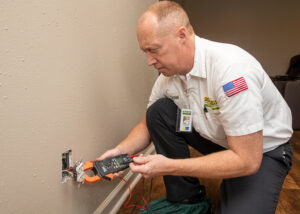
Homeowners often don’t realize the importance until trouble hits. Here are some signs your Earthing and Grounding might not be up to par:
- Outlets that shock when you touch them.
- Frequent breaker trips.
- Lights flickering during storms or heavy appliance use.
- Electronics that fail sooner than expected.
- Buzzing sounds from panels or outlets.
Ignoring these red flags can shorten the life of your appliances, raise fire risks, and cause expensive damage.
How Electricians Fix It
When you hire a professional to correct or update Earthing and Grounding, here’s what usually happens:
- Inspection: The electrician checks the existing setup for missing or faulty connections.
- Earthing rod installation: A metal rod is driven into the soil outside, linked to your home’s wiring.
- Panel grounding: The neutral line in the main panel is connected to the ground system.
- Testing: Special tools measure resistance to confirm the system can safely discharge current.
These steps may sound technical, but the result is simple—peace of mind.
Maintenance and Prevention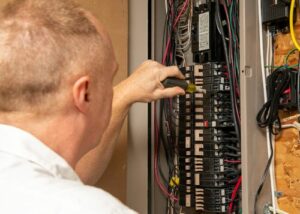
- Once your Earthing and Grounding is updated, keep it in good shape with these easy tips:
- Schedule inspections every few years.
- Watch for warning signs like shocks or flickering lights.
- Keep records of all electrical work for resale value and safety.
- Ask your electrician about surge protection for added defense.
Regular checks are quick and inexpensive compared to the damage poor grounding can cause.
Wrapping It Up
So, is there really a difference between earthing and grounding? Absolutely. While the two terms are often used interchangeably, they serve slightly different but equally important roles. Together, they ensure electrical safety, provide system stability, and protect your home and investment from costly damage.
If you’re unsure about your home’s electrical setup, don’t wait until a shock or fire scare forces you to take action. Reach out to the professionals who know how to diagnose and fix the problem the right way. With us, it’s simple: you call, we come, and it’s fixed — done right the first time.