Boulden Brothers

Plumbing, Heating, AC, Electrical

  • Services
    • Heating & AC

      AC Maintenance
      AC Repair
      AC Installation
      Heater Maintenance
      Heater Repair
      Heater Replacement
      New Thermostat
      Duct Sealing
      Furnace Maintenance
      Furnace Repair
      Furnace Replacement
      Heat Pump Repair
      Boiler Services
      Ductless Mini-Splits
      Indoor Air Quality
      Duct Cleaning
    • Plumbing

      Plumbing Repairs
      Water Heaters
      Solar Water Heaters
      Tankless Water Heaters
      Hybrid Water Heaters
      Drain Clearing
      Drain Unclogging
      Drain Cleaning
      Hydro-jetting
      Garbage Disposals
      Well Pump Repair
      Sump Pump Repair
      Faucet Installation
      Sewer Line Repair
      Sewer Replacement
      Toilet Repair
      Toilet Installation
      House Repiping
      Water Line Repair
      Water Line Replacement
      Water Softeners
      Water Treatment
    • Electrical

      Electrical Repairs
      Panel Replacement
      Meter Can Replacement
      Electrical Troubleshooting
      Whole Home Surge Protection
      Circuit Repair
      Lightning Strikes
      Breakers & Fuses
      Outdoor Lighting
      Electrical Grounding
      Outlet Installation
      House Rewiring
      Safety Inspections
      EV Charging Stations
      Chandelier Installation
      Lighting Installation
      Ceiling Fan Installation
      Smoke Detector Installation
      Emergency Electrical
    • Boulden Brothers AC Technician and Customer
  • Buy Filters
  • About
    • Our Company
    • Get VIP Service
    • Easy Payment Plans
    • Our Recent Work
    • Special Offers
    • Recent Projects
    • Frequently Asked Questions
  • Careers
  • (302) 368-3848
  • Book Now

Effects of Hard Water on Plumbing Fixtures

In past posts, we discussed the potential for poor quality water to cause damage to fixtures. Some houses have had untreated hard water for so long that the water pressure has diminished significantly. By the time Boulden Brothers are called to check the problem, cutting a small section of pipe reveals that more than half of the opening is obstructed by accumulated buildup. Hardness and iron had attached itself to the pipe walls bit by bit, year by year. It has gotten to the point that the pipes are effectively blocked up.

https://boulden-brothers.wistia.com/medias/ezfgzhvxib?embedType=seo&videoFoam=true&videoWidth=640

While this is a bit of an extreme example, people tend not to realize that it can happen in our area if hard water is left untreated. Another common issue we might see is excessive sediment buildup on the bottom of the water heater. Gas water heaters work similarly to a teapot that’s placed on a stove burner. (The water is warmed up by the heat applied to the bottom of the container.) When there is excessive sediment in the bottom of the water heater tank, it acts as an insulating layer, reducing the heater’s efficiency and requiring the unit to run longer. The sediment buildup is effectively reducing the lifespan of the water heater.

Toilets can also become damaged from hard water over time. When you flush a toilet, water usually travels from under the rim down into the bowl. Those small holes in the toilet rim tend to gradually become clogged. As a result, the proper amount of water isn’t released into the toilet bowl during a flush. Sinks and faucets will accumulate visible hardness buildup at the bottom of the drain or even in the aerator in the shower or tub. The most obvious sign of hard water is usually a difficult to clean buildup on glass shower doors or the bathtub.

Dishwashers that use hard water will end up accumulating a white residue, and it will be more difficult to thoroughly clean the dishes. Newer dishwashers even have water softeners built right in to combat hard water. These dishwashers have a compartment that holds salt for this exact purpose. Installing a water softener in the home will result in less detergent being used, along with cleaner dishes.

The damage caused to fixtures by hard water is gradual and sometimes easy for homeowners to ignore until it’s too late. That’s why water heater manufacturers recommend that the water heater is flushed on a regular basis. We suggest it is flushed every two years, but the water heater manufacturer usually recommends that it is done as often as every year. If you’re a BAM Club member with Boulden Brothers, membership includes a visit every other year to flush the water heater for you. We also check the sacrificial anode in the water heater that protects the corrosive properties of the water from directly attacking the walls of the tank.

The first step is to call Boulden Brothers to visit your home and test the water. We can then provide recommendations that will extend the life of the plumbing fixtures in the home. We deal with the core problem, which is the quality of the water coming into the house. Because the water supply in one home can be dramatically different from its neighbors, a qualified professional is will be able to make a case by case determination.

If you would like to learn more about how Boulden Brothers can extend the life of your plumbing fixtures, give us a call today.

Filed Under: Blog

Traditional v. Solar Water Heaters: A Buyer’s Guide

Solar water heaters get their energy from the sun – a free fuel. Many homeowners feel as though any kind of solar or alternative energy system is too expensive and more suitable for commercial establishments. Although it is true that upfront costs are often a lot higher for these systems, the amount you save on energy bills will offset the high initial costs within as little as a couple of years. Solar and other sustainable energy systems are quickly becoming standard solutions for many households.

Boulden Brothers - Solar Water Heaters

Because of the energy and cost-saving benefits of these systems, they will quickly become the mainstream solution to homeowner energy needs. Still, alternative energy sources like wind and solar power are more suited to different geographic locations. What works in Nevada may not work it Minnesota.

The great thing about solar water heaters is that they work well in any climate. All you need is an unshaded area facing south (sometimes west as well). Solar water heaters may be a good investment – they are cost-effective while helping to protect the environment. Still, it is a significant investment and worth researching the options available. Here is a list of things you should check out before purchasing a solar water heater.

If you are unsure about whether or not a solar water heater is right for you, you’ve come to the right place. If by the end of this blog, you are still questioning the decision, pick up the phone and talk to a professional at Boulden Brothers – (302) 368-3848. We will evaluate all of your options and give you unbiased advice as to what you should do.

Solar Water Heater Repair

Solar Water Heater FAQ

How Solar Water Heaters Work

How Solar Water Heaters WorkThe above diagram gives a graphic representation of how solar water heaters work:

  • Solar collectors, or panels, harness the sun’s energy and use it to heat up air or water.
  • There is always some kind of storage. For pool heating systems, the pool itself is “storage.”
  • Cold water passes through the solar collector first, which preheats the water.
  • It then passes through the conventional back-up water heater (these are simple systems that do the job).
  • Sometimes the back-up water heater is connected with the storage tank, bypassing the separate heating unit in a two-tank system. Here is an example of an Active Indirect One-Tank System:
  • Active Indirect One-Tank Solar Water HeaterTo provide hot water, pumps are used to circulate water through your system and into your home.

Is a Solar Water Heater Right for Me?

The first thing most people want to know is “How much?”. For a quick answer, expect to pay between $2,000 and $4,000 for a solar water

The answer, however, is more complicated than how much the upfront costs are. Don’t be surprised when you see your water heating bill drop 50%-80%. You also won’t be subject to the rise and fall of fuel prices.

Besides having more predictable gas or electricity bills, you will also be helping to promote technologies that are good for the environment. Replacing your standard water heater (useful life of 10-15 years) with a solar water heater (lifespan of about 20 years) will “offset the equivalent of 40% to 100% of the carbon dioxide emissions of a modern passenger car” (U.S. DOE).

One thing to consider when shopping around for a solar water heater is if you have an unshaded area on your site that faces in the southern direction. A professional solar water heater expert at Boulden Brothers can evaluate your property for solar panels/collectors.

Whether you’re ready to schedule a consultation now or you simply have questions or concerns about how a solar hot water heater can be integrated into your home, we would love to hear from you. We have live operators standing by 24/7 at (302) 368-3848.

Depending on how much sun your site receives, whether temperatures frequently drop below freezing, and other factors will contribute to the decision of which type of solar heating system you choose.

Side-by-Side Comparison of Different Water Heaters:

Hot Water Heater Comparisons

Source: energy.gov

Types of Solar Water Heaters

Once you have decided that a solar water heater is right for you, you will want to decide which solar water heater system is right for you:

  • Direct Solar Water Heater – uses a pump to cycle water through the solar panels/collectors to preheat the water; this can become a problem if the temperatures outside are frequently below freezing.
  • Passive Direct Solar Water Heaters – circulates water or heat-transfer fluid through the system without using pumps or electricity. These systems are great during power outages but suffer in freezing climates.
  • Thermosyphon System – warm water rises and colder water sinks in this system, creating the need to place the solar collectors below the storage tank so that
  • Indirect Solar Water Heater – uses a pump to circulate friendly antifreeze through the solar collectors and heat exchanger. These systems are popular in areas that are prone to freezing temperatures.

Of these choices, an indirect heating system is the most popular choice for homeowners in the Newark/Wilmington area since temperatures often drop below freezing. The eco-friendly antifreeze in an indirect solar water heater system is not affected in the same way that water is.

Solar Water Heater Sizing:

Another factor you will want to consider is how large your solar water heater needs to be to accommodate your home. You will need a tank large enough to provide as much hot water as you’re likely to use in an hour on any given day, and it also needs to keep that volume of water at the appropriate temperature until you need it.

Although it may be tempting to install a solar water heater on your own because it doesn’t have many moving parts, this would be a bad idea. Professional solar water heater installers will know how to estimate your hot water needs and by working with them, you will have the best, most efficient solution for your home.

A professional Boulden Brothers technician will know exactly where to install your new solar water heater system and will take care of all the local and state building codes and permits, so you won’t have to worry about anything. We will give you information about government tax breaks and rebate information so you can get all the savings you are eligible for.

Hiring the professional solar water heater installers at Boulden Brothers will ensure that the installation goes perfectly or you get your money back.

Reference: U.S. Dept. of Energy


Boulden Brothers knows how important it is to have reliable hot water. We regularly install and maintain solar water heaters for customers all overt the Wilmington & Dover metropolitan area and would be more than happy to do the same for you.

With our indirect solar water heater systems, you will never have to worry about fluctuating fuel prices or freezing water pipes again.

If you have questions or want to learn more about how a solar hot water heater can be made a reality in your home, give Boulden Brothers a call today. (302) 368-3848

Your Satisfaction is 100% Guaranteed!

Filed Under: Blog

Three Common Well Water Issues

In our previous post, we talked about the prevalence of chlorine in the municipal water supply and how it can be harmful to the household. For homeowners who obtain their water from a well, there are three common issues that they may experience:
https://boulden-brothers.wistia.com/medias/lewzv0ei0l?embedType=seo&videoFoam=true&videoWidth=640

Hard Water – This means that the water contains excessive calcium and magnesium, which leads to white crusty residue on fixtures. This is mostly visible as hazy spots on dishes, glasses, the shower wall, and chrome fixtures. There are usually no negative health effects from consuming hard water because the body regularly processes calcium and magnesium.

Hard water does, however, negatively affect the fixtures in the home. It also requires you to use more soap, and it removes much of the moisture from skin. Soft water keeps the skin feeling silky smooth and soft. It can also cut the amount of detergent needed by half. There is the potential for significant savings in terms of cleaning products used in the house.

Iron in Water – Most people recognize the distinct taste of iron if they have been in an area that has iron in the water. Aside from an odd flavor it also leaves behind a rust-colored residue, especially on white fixtures. There are often homes that can’t do white laundry without it becoming a light pink color due to the high iron content in the water. The consumption of small quantities of iron does not have a negative health impact.

Acidic water – Well water is often slightly acidic, slowly eating away at the inside of plumbing fixtures.

The first step in determining what (if any) issues are in the water supply is to call Boulden Brothers to perform a test. The test resembles a high school chemistry kit, and it uses tried and true technology to determine the quality of the water. We can easily detect how much iron, hardness, or acidity the water contains. From there, we can recommend one of the many options that would best suit your situation.

Water softeners will remove the calcium and magnesium, along with low levels of iron. If the level of iron in the water is high enough, we will need to install an iron removal system. In most cases, however, the softener will be adequate. For acidic water, we would likely recommend a pH neutralizer. A neutralizer actually introduces a small amount of hardness to the water, so the water will travel through the neutralizer first, and then through the softener. A reverse osmosis system will remove everything from the water, so it is a great option for people with specific medical needs.

The downside to installing a reverse osmosis system is additional water consumption. Since the water is being forced through a reverse osmosis membrane, water that cannot be pushed through the filter is wasted and sent down the drain. Additionally, a reverse osmosis system can make the water slightly acidic. People who deal with heartburn, ulcers, or other similar conditions may prefer an alternative that does not introduce acidity to the water.

Overall, the professionals at Boulden Brothers will be able to give you a range of solutions to improve your household’s water quality. If you would like to learn more about the treatment options available for your well water, give us a call today.

Filed Under: Blog

6 Ways to Lower Utility Bills for 6 More Weeks of Winter

Learn How to Lower Utility Bills

Punxsutawney Phil saw his shadow on Monday, prognosticating another 6 weeks of winter. Whether or not you believe his prediction, it’s never too late to make some small, and not so small, changes to your home to significantly lower utility bills.

Here is the breakdown when it comes to your utility bill:

lower utility bills

Source: Energy Star

Although, these numbers do vary by quite a bit, heating is almost definitely your biggest expense. Although it seems the warm weather will never arrive, these tips for saving on heating will help with your cooling costs as well.

1. Install a Programmable Thermostat

Are you heating and/or cooling your home when no one is around or people are asleep? If you are, you could be wasting a lot of money. If you are diligent enough, you may be able to raise the thermostat setting when you wake up, lower it when you go to work, raise it back up again when you come home, and turn it down again before going to bed, but what is the likelihood of that happening everyday?

Programmable Smart Thermostat
source: nest.com

In addition to saving you money, you and your family will experience added comfort from a programmable thermostat  since it will automatically raise the temperature before you wake up and before you come home from work or school.  This way, there is no delay period, and you can experience the comfort of your HVAC system when exactly when you  need it.

Don’t turn your system off completely when you leave the home. We recommend setting the thermostat to 68 degrees  or lower when away from your home. For every one degree you turn your temperature down, you will save about 1% on  your heating bill.

There are even apps that you can download so you can monitor and adjust the temperature of your home from a  remote location. If you are thinking of purchasing a “smart thermostat, here are some reviews of the top contenders, including Nest, Hive, Tado, and more.

Boulden Brothers technicians are professional installers of all thermostat makes and models.

2. Insulate Windows and Doors

Lock any windows and doors not being used, as the tightness gets rid of any drafts. Consider putting Window Shrink Film over any windows that you don’t plan on opening all winter. Make sure to attach it to the frame of the window and not the window itself and use a hair dryer to create a taut air seal. If you followed the directions carefully, you shouldn’t even be able to tell it is there from a distance.

Also, remember to replace any worn weatherstripping with a fresh set. The same goes for caulking your doors and windows. You want to remove the old before installing the new.

Check out this video for re-caulking your windows and doors:

For openings greater than a quarter of an inch, use Expandable Foam Spray. For any gaps less than a quarter of an inch, use weather-proof caulk.

3. Check Your Furnace Filter and Air Vents

Set a reminder on your phone or computer for the first of every month to check and/or replace your furnace air filters. Have a large backup supply of filters so you don’t have to run to the store every time. Most filters need to be replaced every 30-60 days.

Another thing you should check are your supply and return vents. Make sure these openings are completely unblocked. Check under rugs, behind furniture, and drapery to see if any vents are being blocked. Not only will this cause unwanted pressure in your duct system, causing air leaks, but it will also prevent warm air from coming into your rooms or cold air from being able to escape through the returns.

4. Take Advantage of the Sun

The sun’s energy is something that shouldn’t be taken for granted. Even on the coldest of days, the sun’s rays can supply your home with substantial amounts of heat.

When the sun is out, make sure you open the curtains or blinds. Conversely, if the sun is down or hidden, close your blinds for added insulation. Consider purchasing “thermal drapes/curtains” for extra insulation.

5. Get Your Ducts In a Row

Taking care of your air ducts is important for energy savings and improved indoor quality.

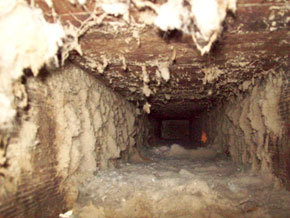
You can tell if you have dirty air ducts that need cleaning by sticking a flash camera into one of your air registers and taking a couple snaps. If it look anything like this, you’ll want to schedule duct cleaning as soon as possible, especially if you have family members with respiratory issues:

Also, don’t fall for cheap air duct cleaning scams. If the price sounds too good to be true, it probably is:

In addition to checking your ducts for dirt, dust, and debris, you want to go around your home and seal all of your air ducts’ seams and connections with mastic sealant or HVAC Foil Tape (NOT duct tape, ironically).

This can potentially save you 20% on your heating and cooling costs, so yeah, you should do it.

6. Benefit From Rebates, Warranties, and Other Incentives

Your utility company might also offer free programmable thermostats and any subsidies for major repairs, like roof and boiler replacement.

Often, state, local, and federal programs are available to homeowners who make significant improvements to their home’s energy efficiency.

Safety:

Although it won’t save you money or energy, it definitely saves lives to have smoke and carbon monoxide detectors installed outside of every sleeping area in your home.

Over 60% of all home fire deaths occur in homes without working smoke detectors.


If you have any further questions on how to save energy and lower utility bills this winter, talk to the licensed, trained technicians at Boulden Brothers.

Visit us on our website, Facebook, Twitter, and Google+ or give us a call at (302) 368-3848 for more information on saving money and energy. We are available 24 hours a day, 7 days a week to answer any questions you might have.

Filed Under: Blog

The Impact of Chlorination in Municipal Water

Not only does the quality of water affect its taste, but it also has a large effect on plumbing equipment. Our clients usually obtain municipal water from the City of Newark or Artesian Water. Otherwise, clients obtain their water from private wells. For households with municipal water supplies, the water tends to be somewhat hard (containing calcium and magnesium). Another concern aside from hard water is an excessive amount of chlorination. While chlorine ensures that the water is safe to drink, sometimes drinking water has more chlorine in it than the water found in a swimming pool.

https://boulden-brothers.wistia.com/medias/bn1phu95iv?embedType=seo&videoFoam=true&videoWidth=640

Unfortunately, excessive chlorine in water has negative effects. Even though it eliminates microorganisms, studies have linked chlorine to cancer and other health problems. Additionally, chlorine can be very harsh on plumbing fixtures and pipes, potentially reducing their lifespan. Plastic items (such as the components on the inside of a toilet) rapidly deteriorate when exposed to high amounts of chlorine.

It’s actually rather straightforward to combat high chlorine levels in the water supply. If we were to install a carbon filter in the house, every tap in the entire home would dispense water that tastes like it came from a bottle. Even if you don’t mind the additional cost and environmental impact of consuming bottled water, you might not have considered how easily chlorine is absorbed into your skin.

Every time you take a bath or shower with warm water, your pores open up and chlorine is absorbed with minimal resistance. This may sound unbelievable, but there’s an easy demonstration that we are glad to do whenever someone requests it. By simply taking a small cup of water and testing it with a chlorine strip, we can first show that there is a positive indication of chlorine. Then, a finger is used to swirl the water for around fifteen seconds. When we test the water again, the results will show a negative indication for chlorine.

Where did the chlorine go? Your skin absorbed it. The skin is very porous and chlorine is easily absorbed, so water with high chlorine content can be detrimental even if you choose not to drink it at all. If this water is used for bathing and doing laundry, the household would greatly stand to benefit from installing a carbon filter. The safe chlorinated water from the city is still traveling all the way to the home. Once the water reaches your home, however, the chlorine can be removed with the household filter.

There are many other commercially available products that use the same carbon filtering technology—some are built into pitchers, while others attach to the faucet. Even so, they only provide quality water at the appliance they are attached to. When we install a central system, the entire home gets the benefit of chlorine-free water. This means that all the plumbing fixtures are protected from shortened lifespans. While this technology is similar to other options, it’s applied at a higher level so the entire home will benefit.

If you would like to learn more about installing a carbon filtering system in your home to remove chlorination, give us a call today.

Filed Under: Blog

Strange Smells In Your House and Where They Come From

If you are there are strange smells in or around your home, you may have a bigger problem than just the unpleasant stench. It is best have a full-service plumbing, HVAC, and electric company investigate the situation as soon as possible, as you could be in considerable danger.

How to Detect Strange Home Odors

TOP 5 STRANGE SMELLS:

1. Dead Animal

If you smell animal waste, dander, cat boxes, or any other pet smells, that’s probably what it is (either prior or current pets in the building); however, if the smell if a noxious sickly smell, most likely you have an insect nest or dead animal(s) somewhere in your plumbing or duct system.

We have found dead possums, rats, snakes, cats, raccoons, and insect nests that have made their way into the ductwork, or the air handler itself.

Trust your instincts with this one: if you smell a dead animal, it probably is one. Sometimes, people think they are smelling sewage, but regardless, it will be strong and noticeable. Call a professional AC repair or plumbing repair company to take a look at your plumbing and duct system and get this taken care of as soon as possible!

2. Something Smells Fishy


Unless it is fish, this strange smell is probably emanating from a burning electrical component. Electrical shielding, wires, and other plastic components emit a “fish” or “urine” smell when exposed to high heat. If you smell something fishy, go around your home and look for outlets and other electrical equipment that looks burnt or melting. Also, make sure that plastic and anything else that could burn is far away from any heat source, including light fixtures.

3. Sewage

If there is a sewer smell in your home, this might be caused by a dried up P-trap. P-traps are there so that water gets trapped, creating an air block for any sewer gases that might rise up. If, however, you have not used your drain in a while, the water in your P-trap could evaporate, clearing the way for noxious sewer gases to infiltrate your home. Water should be run in all of your drains at least once a month to prevent this from happening!

4. Moldy and Musty

If you smell a musty or mold odor, it is probably there. Go around your house and check for any water leaks, damp items, and moisture to find the source of the problem. Mold varies in severity from being merely cosmetic to dangerously toxic.

For small areas of mold, consult this mold inspection and cleanup guide. If, however, the problem is larger than you can handle, give Boulden Brothers a call.

You may need to recaulk your plumbing fixtures to prevent water from entering the area between the fixture and the wall, which could cause water damage and foster mildew and mold growth.

You may also need better ventilation, especially in areas of high moisture like your basement, bathrooms, and kitchen.

Another way to control mold growth is to have a whole-house humidification system connected with your HVAC unit to maintain safe levels of humidity in the home. In the winter, the air gets dangerously dry, contributing to illness and colds more than anything else, while in the summer, the air can get very moist, providing the perfect environment for colonies of mildew and mold.

5. Rotten Eggs

Rotten Egg Smell

The smell of rotten eggs is a tell-tale sign that you have a gas leak or a problem with your plumbing. The smell of sewage is often compared with the smell of rotten eggs.

The first thing you should check is if the smell is coming from your drains or when you turn on the water. You may have a dried out P-trap or water seal in a floor drain or the problem could exist in your home’s sewage tank or the plumbing water pipes. Depending upon the situation, the solution could be simple or complicated.

If you notice the smell more when you have the hot water running, then the problem probably lies in your water heater. You may have to replace the sacrificial anode rod, which needs to be replace every 5 years or so.

The other, more dangerous, cause of a rotten egg smell in the home is a gas leak. Manufacturers add a chemical to natural gas and propane to give it a distinctive odor, as they are naturally colorless and odorless. This smell is actually a safety precaution and it is supposed to bother you.

If you smell rotten eggs, you should call your trusted Plumbing and HVAC company right away. Boulden Brothers will dispatch an expert technician to inspect your home and pinpoint the exact source of the strange smell.

For tips on saving money and energy this winter, take a look at our previous blog posts:

  • Cut Your Heating Bills in Half
  • How to Prevent and Thaw Frozen Pipes
  • 5 Home Heating Tips to Stay Warm All Winter

If you have any questions about strange smells in your home or safety prevention, call the experts at Boulden Brothers Home Service at (302) 368-3848. We also offer furnace repair, water heater installation, electrician services, and more.

We are available 24 hours a day, 7 days a week to answer any questions you might have.

To contact us, you can fill out an online form or send us a message on Facebook and Twitter.

Filed Under: Blog

How a Home Energy Audit Can Save You Lots of Money

Home Energy Audit

Do you know how much energy your home uses and loses?

Right now your answer is probably “no,” but by the end of this blog post, you’ll know what steps to take so that you can say “yes!” But before we begin, let’s clarify as to what a home energy audit actually is.

A home energy audit helps identify precise locations of where your home is losing energy and what you can do to save money. It is recommended that a licensed, trained technician perform your energy audit as they are the ones can provide you with the most precise answers.

Your technician will be comprehensive and thorough when assessing your home’s energy use, examining your house room-by-room as well as your past utility bills.  An audit is comprised of two parts: the home assessment and an analysis using state-of-the-art computer software. An audit should include the following:

  • Explanation of the auditing process
  • Checking for Leaks
  • Examining Insulation
  • Inspecting Furnace & Ductwork
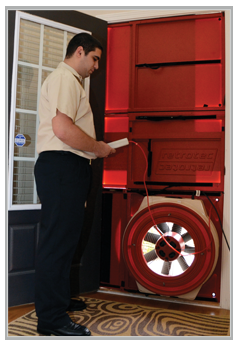
  • Blower Door Test
  • Electrical Safety Inspection
  • Exterior/Indoor Inspection
  • Health and Safety Inspection
  • Combustion Appliance Inspection
  • Explanation of final analysis

While the first three tasks are pretty self-explanatory, you may be wondering what in the world a blower door test is. Well, we have the answer for you!

Source: Holtkamp Heating and Cooling

Although we recommend having a professional perform your audit, it is possible to conduct a DIY assessment of your home. While they are not as thorough, it is possible to pinpoint some of the most obvious areas to address. When doing a walkthrough of your home, complete the following:

1.     Locate Air Leaks

You can solve this problem with caulking and weatherstripping. By reducing drafts, you can save anywhere from 5% to 30% annually, not to mention, you’ll feel more comfortable in your home. Use a smoke/incense stick to help you pinpoint the air leak near windows, doors, and utility entries.

2.     Check Insulation

You could be losing a significant amount of heat due to low insulation levels. If you have an older home, it is likely that the builder installed insulation levels adequate to that day’s standards. The two areas the could benefit most from some insulation are your attic and basement.

3.     Inspect Heating & Cooling Equipment

All heating and cooling equipment should be inspected annually. Additionally, if you have a forced-air furnace, check and replace filters as needed. Generally, filters should be changed every 30-90 days depending on occupancy, pets, and other factors.

If your system is more than 15 years old, it’s time to consider having it replaced as continuing to use an old, inefficient system will cost more to operate in the long run.

4.     Appliances & Electronics

When and for how long you use an appliance or electronic device affects your monthly energy bill (duh). For this reason, if you don’t use an appliance or electrical device on a regular basis, unplug them after each use. Even if your electronics are turned off, they are still consuming some energy just by being plugged into the outlet. Additionally, consider changing the settings on a device to be more cost-efficient.

Fans use very little energy. Switch your ceiling fan setting to create an updraft, which will work to circulate the warm air throughout your house.

For more tips on saving money and energy this winter, take a look at our previous blog posts, which include:

  • Cut Your Heating Bills in Half
  • How to Prevent and Thaw Frozen Pipes
  • 5 Home Heating Tips to Stay Warm All Winter

If you have any further questions on home energy audits or how to save money and energy this fall and winter, talk to the licensed, trained technicians at Boulden Brothers.

Visit us on our website, Facebook, and Twitter or give us a call at (302) 368-3848. We are available 24 hours a day, 7 days a week to answer any questions you might have.

Filed Under: Blog

New Year’s Resolutions for Your Home

Many of us are busy creating long New Year’s resolutions to improve our lives this 2015, but what are you forgetting?

New Year's Resolutions for Your Home

Although most resolutions are unfortunately not very “resolute,” we’ve compiled a list of New Year’s Resolutions for Your Home that you may actually be able to accomplish.

We know a little something about following through on our promises, so here is a list of manageable resolutions that are broken up into simple tasks to help you achieve your goals this year.

This year,

I will remember to check and/or change my air filters.

When asked what the most important thing a homeowner can do to extend the life and improve the operation of their HVAC system, without pause we say, “check and/or change your air filters every month.” Many people forget this basic maintenance requirement for HVAC systems. Remember that if you have pets or people with asthma and other breathing problems, you should be changing your air filter more frequently.

I will remember to schedule annual HVAC maintenance.

The second most important thing you can do as a homeowner this year is to remember to schedule annual heating and cooling maintenance. Not only will regular maintenance save you money on your monthly heating and cooling bills; it will also double the life of your HVAC system, saving you money in the long run on expensive repairs.

Call Boulden Brothers Heating and Air Conditioning today to schedule your furnace tune-up today! (302) 368-3848 for 24 hour emergency service.

I will remember to schedule annual maintenance for my water heater.

In general, your water heater should be serviced once a year to drain it of harmful sediment, check/replace the sacrificial anode, and inspect for corrosion and other damage. Most people forget this annual chore and as a result have a water heater that will last half as long as a regularly maintained one. Tankless water heater models do not require service this frequently, but it is a good idea to follow the manufacturer’s recommendations even if your water heater is brand new. There is no substitute for proper maintenance service and it will likely save you a lot in the long run.

I will remember to purchase/use my programmable thermostat.

A programmable thermostat is essential for cutting HVAC costs. When you are asleep or away from the home, the temperature should be dropped to compensate for a lower demand for heating and cooling.

Nest, a “smart” thermostat (purchased by Google early last year) is the next-generation thermostat which learns your schedule after just a couple days of setting the temperature to your preference.

I will be better about electrical safety.

Remember to schedule an annual electrical safety inspection every year along with your HVAC maintenance inspections. This will ensure that you have proper Arc Fault Circuit Interrupters (AFCIs) and Ground-Fault Circuit Interrupters (GFCIs) installed by a qualified professional electrician. AFCIs protect your home against unintented electrical arcs, while GFCIs protect a person from getting shocked due to wetness or moisture. All outdoor outlets and any outlets in the bathroom and kitchen should be GFCI-protected.

Also, make sure that you have the appropriate wattage bulb for each light fixture and that you are not overloading your circuit. Don not use extension cords for long periods of time and never run them under rugs or where they can cause a tripping hazard.

Hopefully these are New Year’s Resolutions for Your Home that you can actually keep this year.


Follow these tips for a safe and energy efficient 2015! For more plumbing, HVAC, and electrical information, visit us on our website, Facebook, and Twitter.

Wishing you a Happy New Year from everyone here at Boulden Brothers!

Filed Under: Blog

Protect Your Home While You Are Away

Going away for the holidays? Protect your home while you are away for the holidays with these simple, but effective, anti-burglar precautions.

Boulden Security

If you have a security system for your home, that is great; if you don’t, there are still many ways to prevent a burglary from happening to you. Don’t let the excitement of the holiday season make you forget

1. PUT YOUR LADDERS AWAY

With all the Christmas decorating you’ve been doing, you may have forgotten to put away the ladder. Leaving a ladder out provides the perfect opportunity for a burglar to access your 2nd and 3rd floors. Regardless, you should always remember to lock and secure upper floor windows. Just because you put away your ladder doesn’t mean that the burglar won’t bring their own.

2. KEEP POTENTIAL INTRUDERS FROM PEEPING IN

If you have an alarm system, make sure that it can’t be seen from outside. If you have anything valuable make sure it is out of plain sight. A clearly visible laptop or iPad is reason enough for someone to break and enter. Take a walk around your house and peer inside. Can you see anything that could tempt someone?

3. HAVE SECURITY LIGHTS INSTALLED

Lighting up the exterior of your house is essential for preventing a home break-in. Motion sensors are great but they should an add-on to other landscape lighting. Not only does landscape lighting accentuate the beautiful features of your home like columns, bushes/shrubs, and trees, but it also deters would be thieves. Check out our electrician page for more information.

security-lighting

Source: Bill Beazley Homes

You can install a random vacation light timer from Smarthome which will turn on lights, radios, and tvs at random intervals from 9 to 34 minutes. Here are 5 other products that allow you to turn on your lights while away from home.

4. HIDE YOU VALUABLES

The best thing you can do it buy a fireproof safe for your precious items. Other tactics for hiding jewelry and other valuables include: a carved out book, coffee grinds, a tampon box, buried outside or in a potted plant, or  this cool fake outlet.

Fake Outlet


5. FIND A BETTER SPOT FOR THAT SPARE KEY

If you keep your spare key underneath the mat or potted plant, chances are that if I can guess, a burglar can too. Use your imagination and find a good spot for that spare key. Oh, and not on the top ledge of the door either.

Outdoor Key Holder

Source: amazon.com/Stalwart

Protect your home from plumbing disasters as well! The best way to prevent leaks and burst pipes while away from home is to turn off the main water supply valve and leaving all the faucets open to drain out the remainder of the water. If you have a basement, this valve will usually be located near front of the house. Otherwise check next to your water heater or in the garage. It is possible that your main water valve is located outside underneath a cement box buried in the ground. Check near the curb in the grass. If you have trouble locating your main water supply valve, call your local plumber.


If you have any questions about security lighting, preventing plumbing problems, or winter maintenance, pick up the phone and call the experts at Boulden Brothers Home Service at (302) 368-3848.

We are available 24 hours a day, 7 days a week to answer any questions you might have.

To contact us, you can fill out an online form or send us a message on Facebook and Twitter.

Everyone here at Boulden Brothers wishes you a safe, warm, and happy holiday! Merry Christmas!


Filed Under: Blog

Tankless Water Heaters vs Traditional Ones

If your water heater is over 10 years old, seriously think about replacing it! This infographic does a good job of outlining all of the advantages and disadvantages of switching to a tankless water heater.

tank-water-heaters-vs-tankless-water-heaters-infographic-Noritz

As you can see, one of the biggest problems with traditional water heater tanks is that they run the risk of leaks or ruptures that could completely damage your finished basement or garage. Tankless water heaters don’t have to worry about storing water, making them a lot smaller and more efficient.

If your water heater is over 10 years old, you should seriously think about replacing it.

It is important to shop around, ask questions, and find the best home service company to install your new water heater.

When it comes to hot water, we can all agree on three things:

1.) We hate waiting for water to heat up.
2.) Nobody likes a cold shower.
3.) We want hot water at a price we can afford.

Now that we’ve found some common ground, let’s get some facts straight about tankless water heaters vs traditional ones:

PROs

  • Tankless water heaters use 30 – 50 percent less energy units than a traditional tank.
  • Depending on how much water your house requires, you could potentially save up to 60% on your water heating bill.
  • Tankless water heaters only heat water when the faucet’s on, saving you on energy costs to constantly have a pilot light on.
  • They last twice as long as traditional water heaters and have easily replaceable parts that can extend their life even more.

CONs

  • The initial upfront price is much higher, but they will last twice as long and save you money every year with its energy efficiency savings, thus offsetting the higher upfront cost.
  • If your home uses a lot of water, you may need two tankless water heaters, raising the upfront costs even more. Still, if you are using that much water to begin with, you probably run out of hot water with your traditional tank too.

Before buying a demand water heater, you also need to consider the following:

  • Size
  • Fuel type and availability
  • Energy efficiency (energy factor)
  • Costs

Whether you choose a tankless or tank water heater for your home, it’s imperative to have a licensed, expert technician install it, as it is an expensive piece of equipment that should be handled with care. The energy efficiency and useful lifespan are heavily dependent on the quality of installation. Don’t let all those benefits go out the window because you wanted to save a little money on the upfront costs.

Boulden Brothers Home Service can help you choose a water heater that best suits your budget and needs.

Don’t forget to check out our latest blog post on WATER HEATER PURCHASING AND MAINTENANCE


If you have any questions about tankless or traditional water heater repair and replacement, pick up the phone and call the experts at Boulden Brothers Home Service at (302) 368-3848.

We are available 24 hours a day, 7 days a week to answer any questions you might have.

To contact us, you can fill out an online form or send us a message on Facebook and Twitter.

Everyone here at Boulden Brothers wishes you a safe, warm, and happy holiday!

Filed Under: Blog

  • « Previous Page
  • 1
  • …
  • 8
  • 9
  • 10
  • 11
  • 12
  • …
  • 25
  • Next Page »

Contact Us

Your Name(Required)

Boulden Brothers in Newark DE

Contact Us

Address:
107 Sandy Drive, Bldg 700
Newark, DE 19713, US

Phone: (302) 368-3848

Heating and Air

AC Maintenance AC Repair AC Installation Heater Maintenance Heater Repair Heater Replacement New Thermostat
Furnace Maintenance Furnace Repair Furnace Replacement Heat Pump Repair Ductless Mini-Splits Indoor Air Quality

Plumbing

Plumbing Repairs Water Heaters Tankless Water Heaters Hybrid Water Heaters Drain Clearing Drain Unclogging Drain Cleaning Hydro-jetting Garbage Disposals Well Pump Repair
Sump Pump Repair Faucet Installation Sewer Line Repair Sewer Replacement Toilet Repair Toilet Installation House Repiping Water Line Repair Water Line Replacement Water Softeners

Electrical

Electrical Repairs Panel Replacement Meter Can Replacement Electrical Troubleshooting Whole Home Surge Protection Circuit Repair Lightning Strikes Breakers & Fuses Emergency Electrical
Electrical Grounding Outlet Installation House Rewiring Safety Inspections EV Charging Stations Chandelier Installation Lighting Installation Ceiling Fan Installation Smoke Detector Installation Outdoor Lighting

Copyright © 2025 Boulden Brothers • Plumbing, Heating, Air Conditioning, Electric | Privacy Policy

Book Online
(302) 368-3848

Apply For This Job

This field is for validation purposes and should be left unchanged.
Max. file size: 999 MB.
Upload your CV/resume or any other relevant file.