Can I Install a Ceiling Fan Without Existing Wiring?
Tips provided by Boulden Brothers in Newark, DE
If you’ve been dreaming about better airflow in your living room or bedroom, only to look up and realize there’s no wiring for a ceiling fan, you’re not alone. Many homes—especially older ones—lack ceiling fan wiring in certain rooms. The good news? You can still get that fan installed. The real question is how.
At Boulden Brothers, we help homeowners with this situation all the time. And once you know your options, getting the comfort you’re after becomes a whole lot easier.
So… Can You Install a Ceiling Fan Without Existing Wiring?
In short, yes, but only after ensuring the fan has a safe and reliable power source.
A ceiling fan requires proper wiring to operate the motor, support its weight, and connect to a switch or remote.
That means one of two things has to happen:
- New wiring must be added, or
- You choose an alternative solution (though these are limited).
If you’re hoping for a big, room-cooling fan that runs quietly and smoothly, adding new wiring is usually the way to go. And this is where licensed electricians—like the team at Boulden Brothers—make all the difference.
When a Fan Requires New Wiring
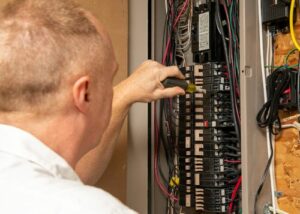
In most cases, installing a ceiling fan without existing wiring means the electrician must bring power to that location. Definitely not a DIY job! Here’s what that process looks like.
1. Checking Whether Your Ceiling Can Support a Fan
A ceiling fan isn’t light. It needs a fan-rated electrical box and proper support. If your current box is only meant for a regular light, it won’t hold up over time. That’s when wobbling, shaking, and even detaching can become real concerns.
2. Running New Wiring
Adding wiring usually includes:
- Extending power from a nearby circuit
- Fishing wires through walls and ceilings
- Adding a wall switch or setting up a remote receiver
- Installing a fan-rated box and the fan itself
This is detailed work, and it has to be done safely. When the job’s in Boulden Brothers’ hands, it’s “Fixed right the first time.”
3. Following Electrical Codes and Permit Requirements
In Delaware, new wiring often requires a permit. It also must meet NEC and local codes. That’s not just paperwork—it’s about keeping your home and family safe.
4. Considering Cost
The price depends on:
- Whether your electrician can access the attic
- How far does the wiring need to travel
- The type of switch you want
- The complexity of your walls and ceiling
A professional can provide you with a clear, upfront estimate, so you know exactly what to expect.
Alternatives If You Don’t Want New Wiring
You do have some alternatives, but they come with limitations.
Plug-In Ceiling Fans
They’re uncommon and usually only practical if you’re okay with a visible cord running down the wall. Most homeowners skip this option.
Remote-Controlled Ceiling Fans
Remotes are great—but they don’t replace wiring. The fan still needs power from above.
Battery-Powered Fans
These are primarily for camping, sheds, or patios. They won’t cool a bedroom or living room in the way you’re expecting.
Although alternatives exist, they aren’t long-term solutions for maintaining comfort inside your home.
Why Professional Fan Installation Is Worth It
Home electrical work isn’t something to take lightly. Here are a few reasons homeowners trust pros for ceiling fan installations—especially when wiring needs to be added.
1. Safety Comes First
DIY wiring can lead to:
- Electrical shock
- Circuit overload
- Fire hazards
Electricians ensure your fan is connected properly and safely.
2. Structural Security
A fan that isn’t mounted with the right hardware can loosen, wobble, or fall. A pro knows how to brace it the right way.
3. The Job Gets Done Cleanly
Minimal holes. Neat finishes. No guesswork.
With Boulden Brothers, “You call. We come. It’s fixed.”
What to Expect During a Professional Installation
If you’re wondering what actually happens on installation day, here’s a quick walkthrough:
- We inspect your ceiling, wiring, and structure
- Install or upgrade the electrical box
- Run new wiring as needed
- Add a new switch or remote module
- Mount the fan securely
- Test, balance, and fine-tune the fan
When we leave, you’re not just getting a fan—you’re getting comfort, airflow, and peace of mind.
Final Thoughts
Yes—you can install a ceiling fan where there’s no existing wiring. But it typically requires adding new wiring and proper support to make sure the fan runs safely and smoothly.
If you’re in Newark, DE and ready to upgrade your home comfort, Boulden Brothers is here to help every step of the way. From wiring to mounting to final testing, we make sure everything is Fixed right the first time.
FAQ: Installing a Ceiling Fan Without Existing Wiring
Tips from Boulden Brothers
Do I need an electrician to install a ceiling fan without wiring?
Technically, no—but realistically, yes. New wiring requires knowledge of circuits, codes, and safety.
Can a fan replace my existing light fixture?
Absolutely—as long as the electrical box is fan-rated. If not, it must be upgraded.
How long does a professional installation take?
Most jobs take 1–3 hours, depending on wiring and attic access.
Do wireless or smart fans eliminate the need for wiring?
No. Wireless features operate the controls, not the power. The fan still needs wiring from the ceiling.
Will the electrician need to cut into my ceiling or walls?
This is especially true in rooms without attic access. A good electrician keeps openings to a minimum.
Is adding a ceiling fan worth it for my home?
Most homeowners think so. Fans enhance comfort, reduce cooling costs, and add to the resale appeal.